
IGNORANCE IS BLISS. UNTIL IT’S DEATH.
Toxic and dangerous items for cats are most likely already hiding in your home.
Scroll through the gallery below for more information about why they can cause severe harm.

All parts of the daffodil are poisonous to cats, particularly the bulbs. Consumption can cause severe vomiting, drooling, and potential cardiac convulsions, sometimes leading to death.

All parts of the tulip plant are poisonous to cats, particularly the bulbs, which contain the highest concentration of toxins.

Common daisies that are yellow in the middle and have white petals are toxic to cats, but Gerber daisies (an entirely different species of plant) are safe.

Most types of ivy, particularly english ivy, are toxic to cats. Ivy can cause drooling, vomiting, diarrhea, breathing difficulties, comatose states, and death in cats.

All parts of the lily flower, including the water they sit in, are often fatal for cats, causing acute kidney failure within 12-72 hours.
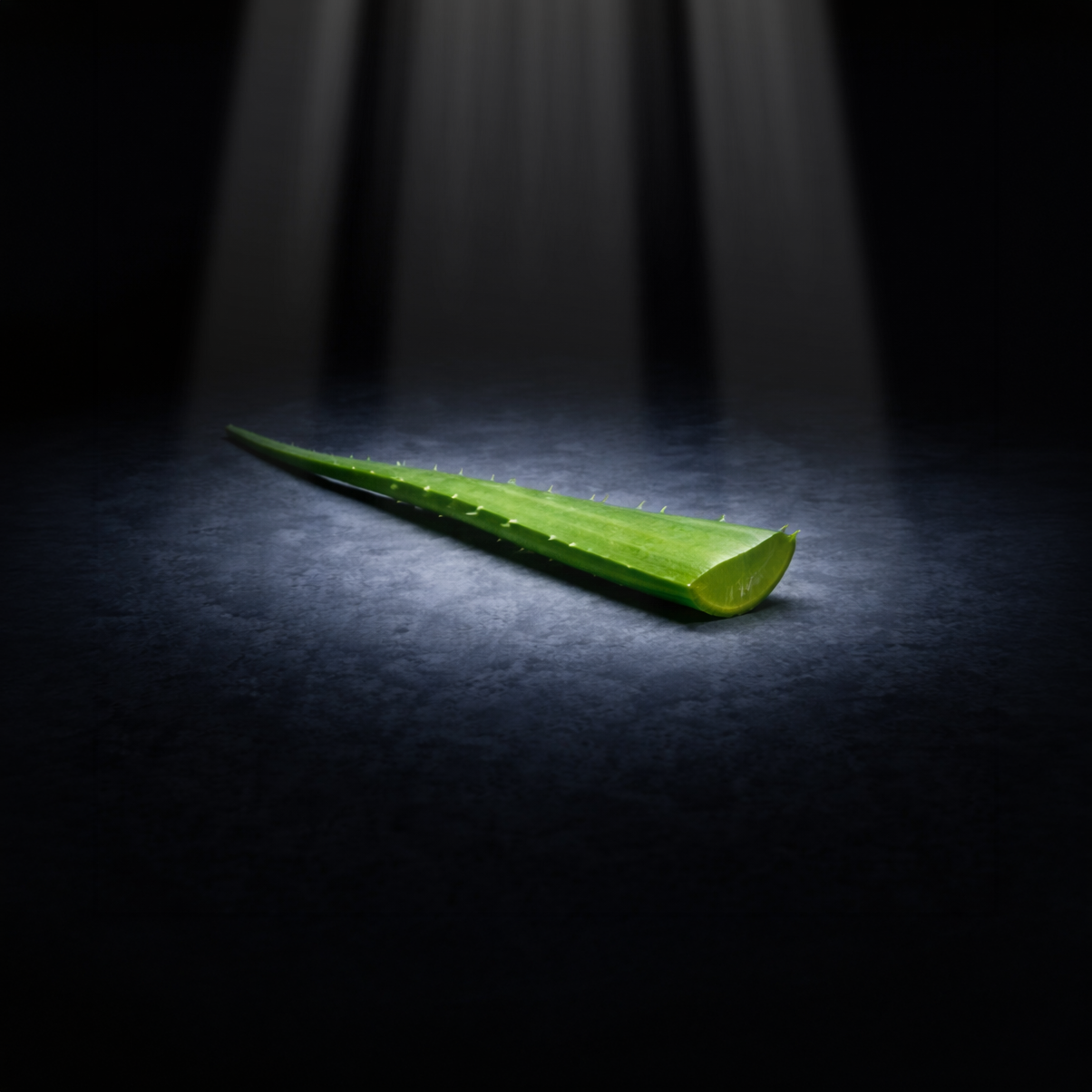
Aloe is considered toxic to cats. The plant contains compounds found in the yellow sap just under the skin that are harmful.
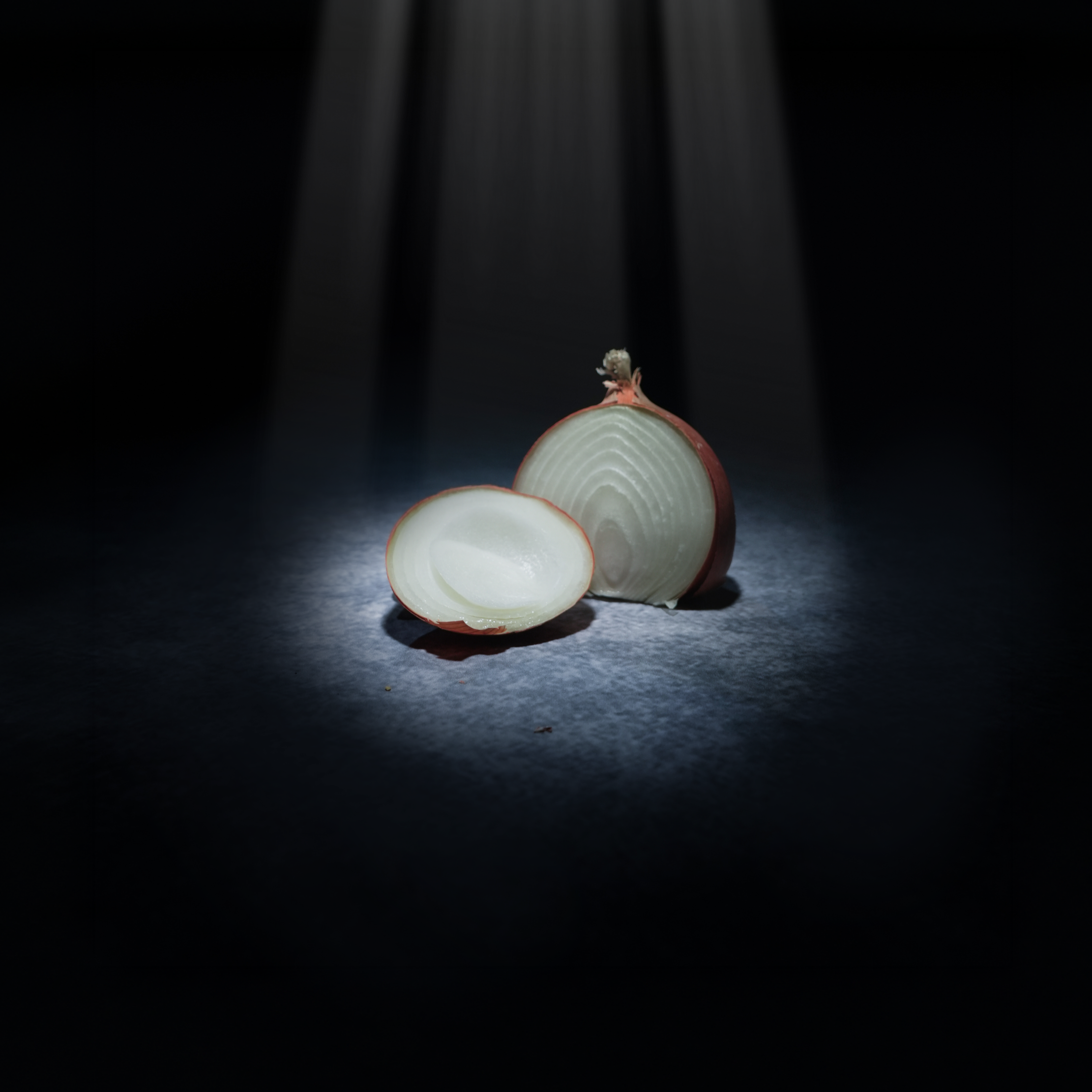
Onions in all forms contain compounds that cause oxidative damage, destroying red blood cells and leading to a serious, often fatal condition called hemolytic anemia.
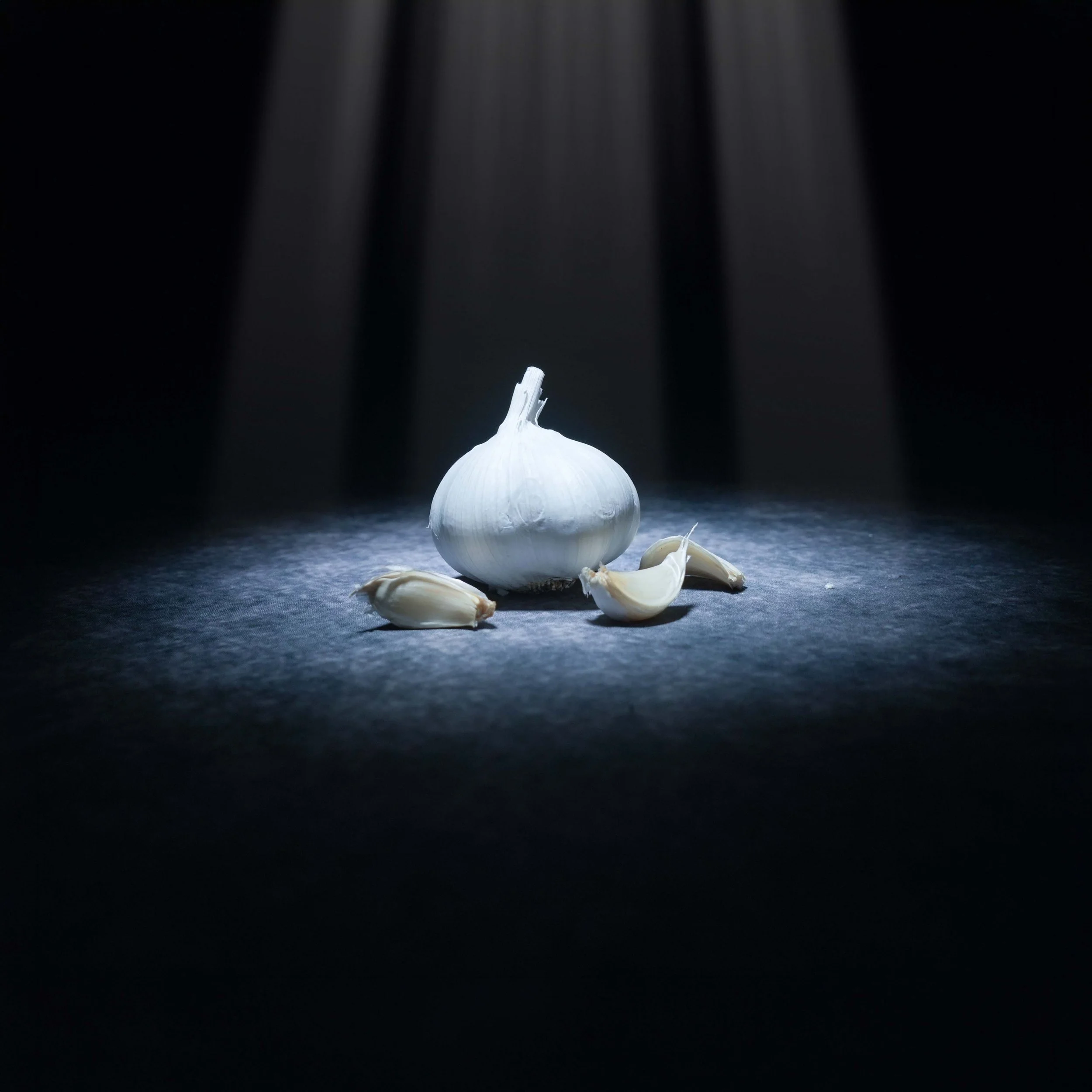
Even small amounts of raw, cooked, or powdered garlic is highly toxic to cats, causing damage to red blood cells.

Because they are part of the Allium family, chives are just as toxic for cats as leeks, onion and garlic.
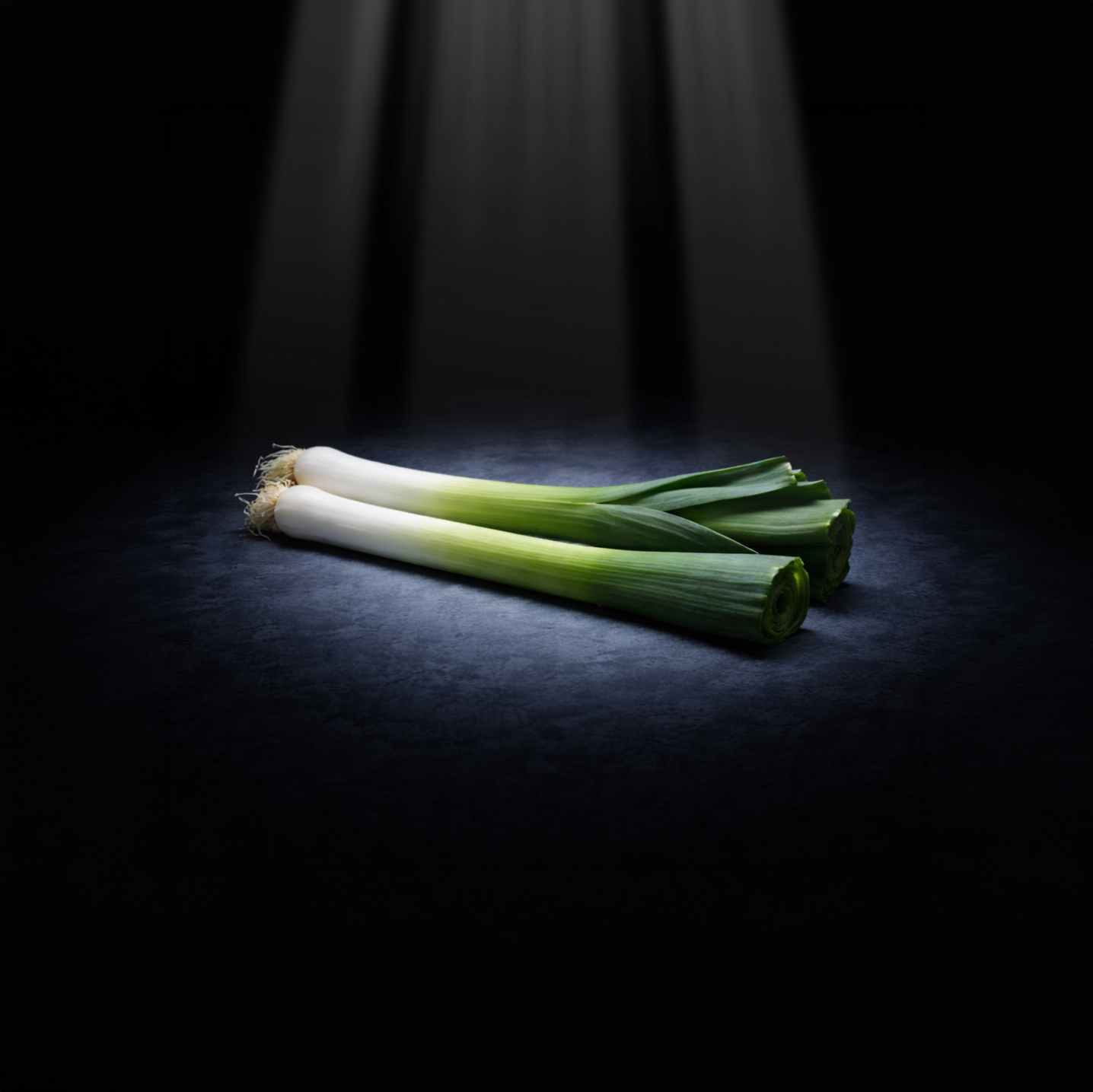
As another member of Allium family, leeks are also toxic to cats.
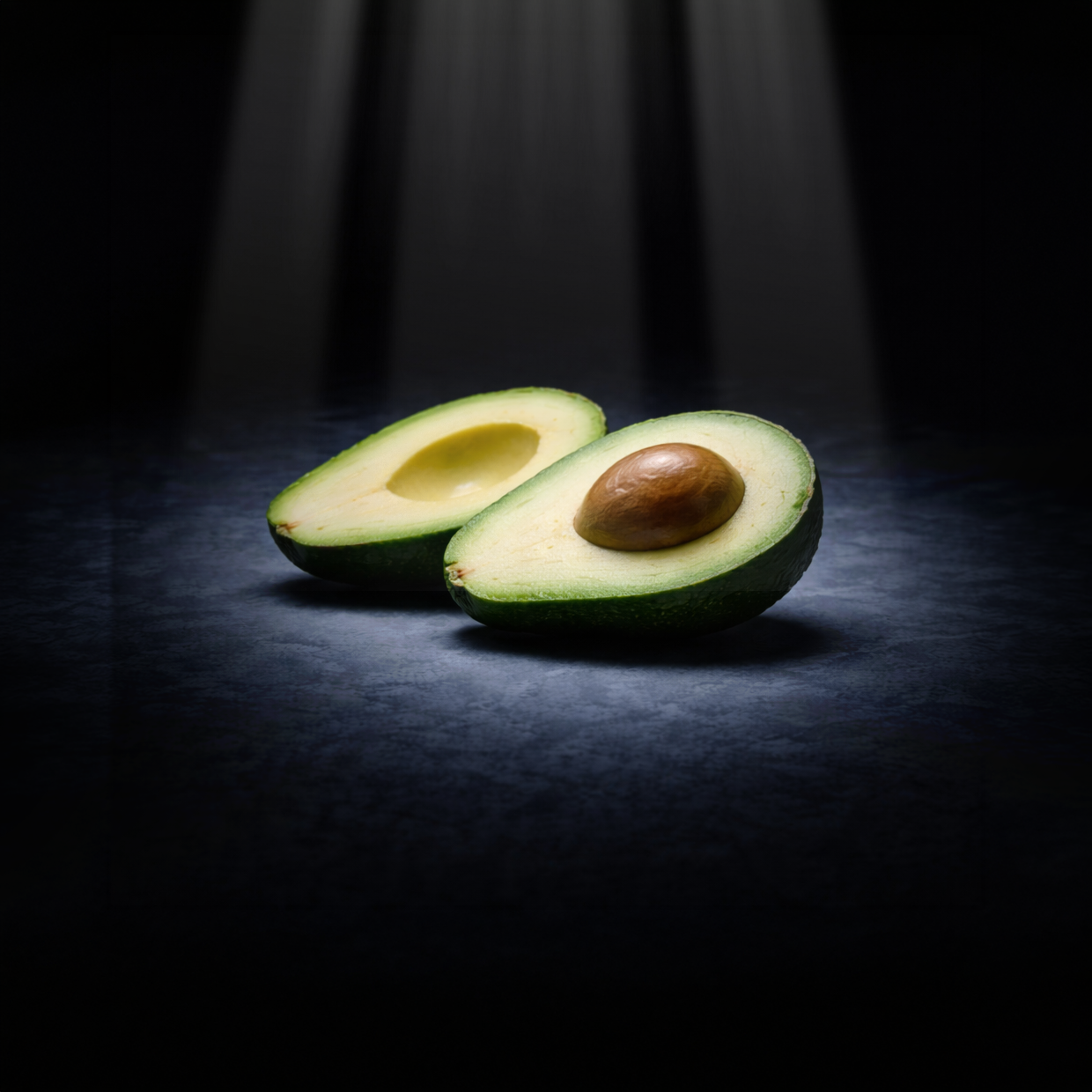
Avocados contain a toxin called Persin found in the skin, leaves, and pit that in large quantities, can be harmful to cats.

Even small amounts of grapes and raisins can cause rapid, fatal kidney failure in cats.
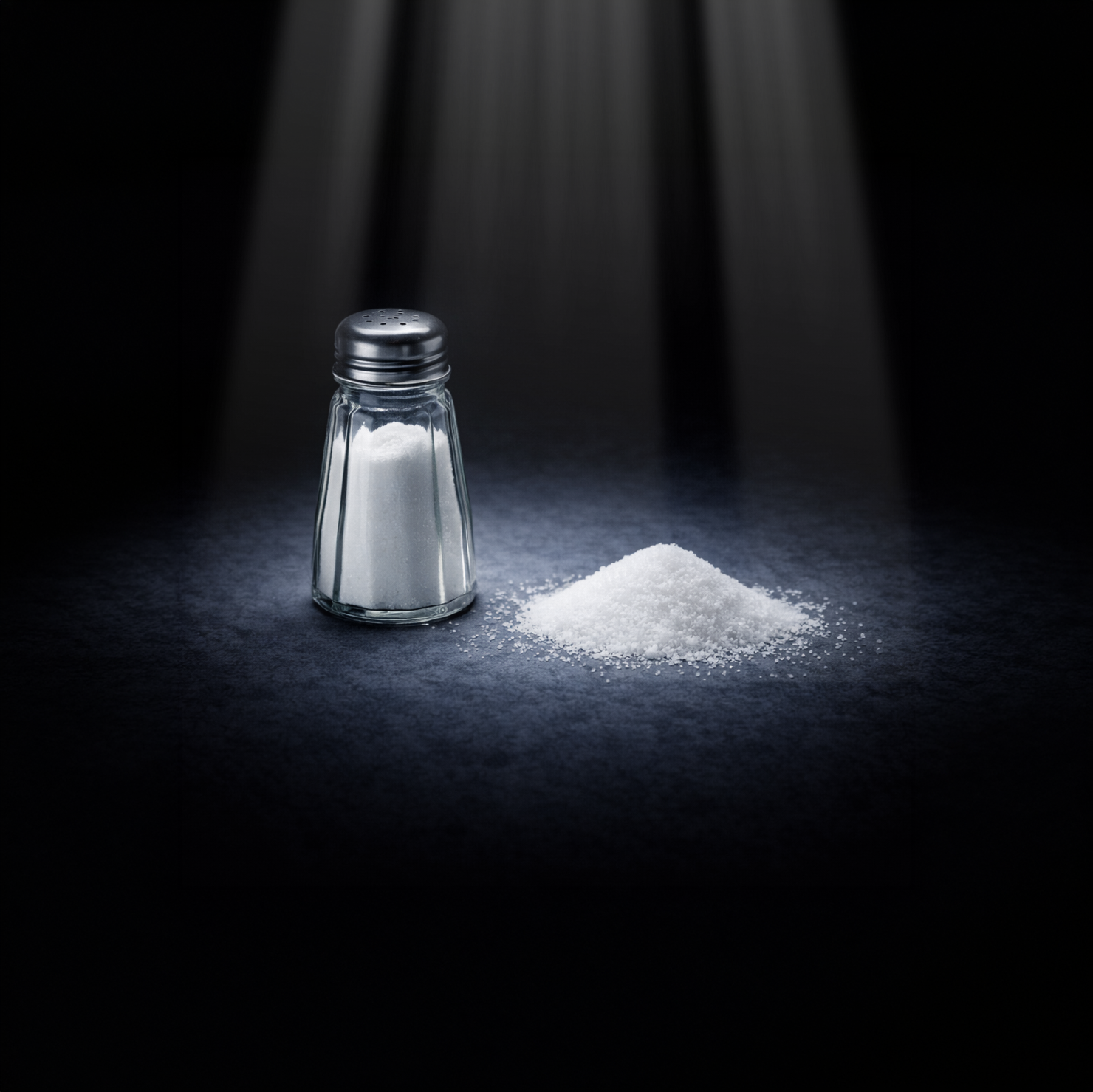
As little as a quarter teaspoon of salt can be toxic to cats that weigh 10 pounds or less. Because of its addictive flavor, cats are drawn to salt lamps, salt dough, de-icing salts, table salt etc.

Xylitol, an artificial sweetener found in sugar-free gum, candy, and beverages can be dangerous for consumption.
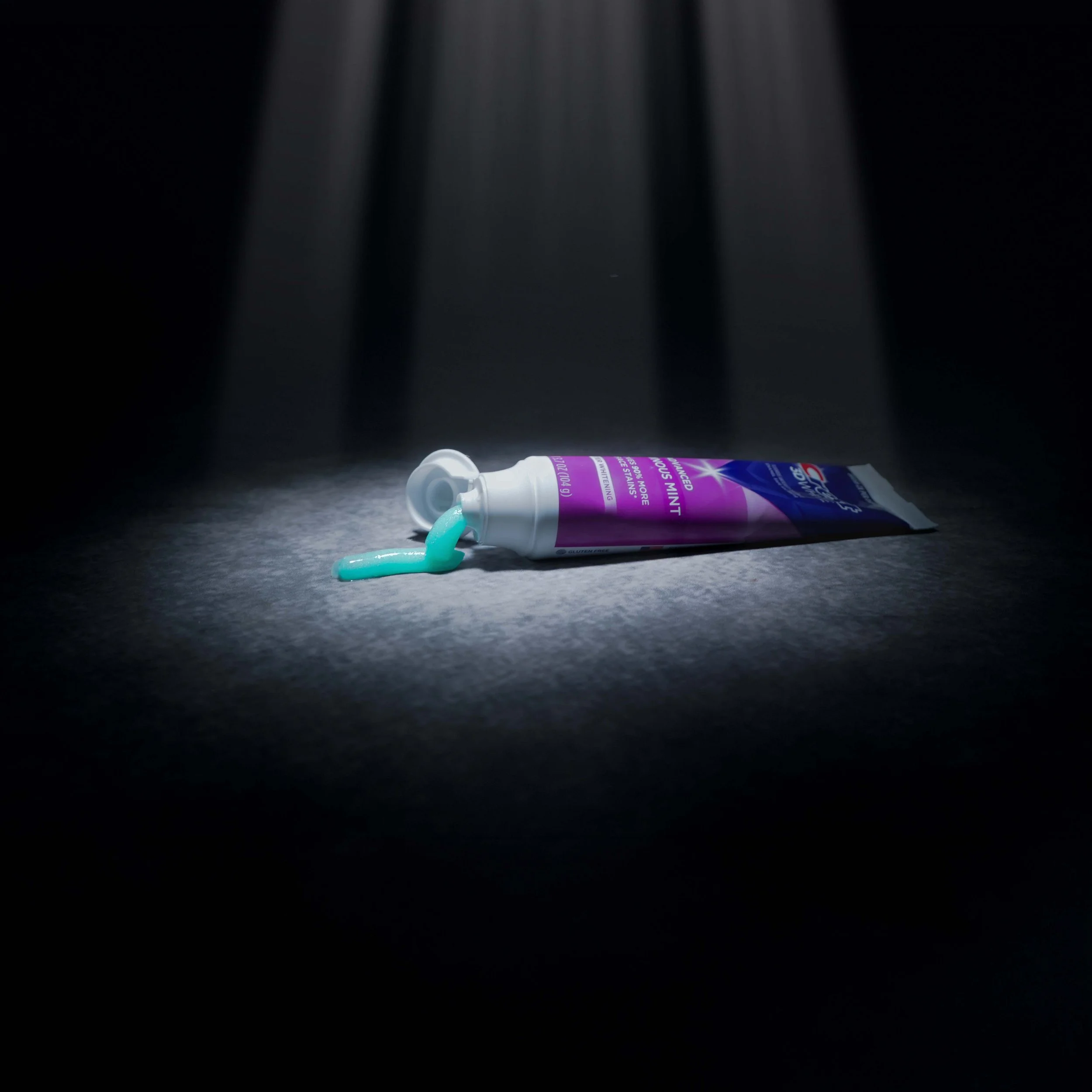
Human toothpaste and mouthwash containing fluoride and xylitol can cause vomiting, diarrhea, drooling, and potential kidney failure.
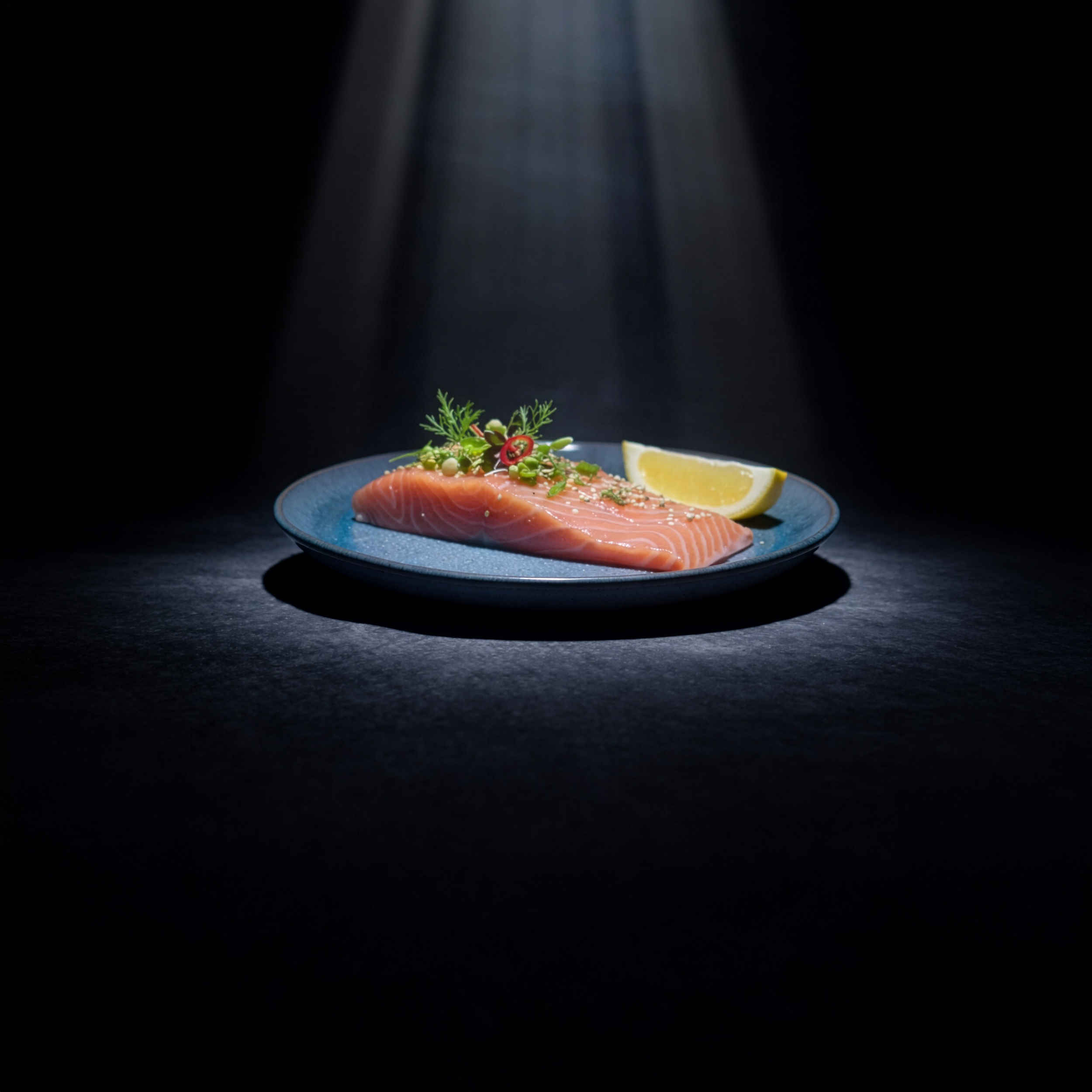
Raw salmon poses a significant risk of foodborne illnesses such as Salmonella, E. coli, and potential parasites.
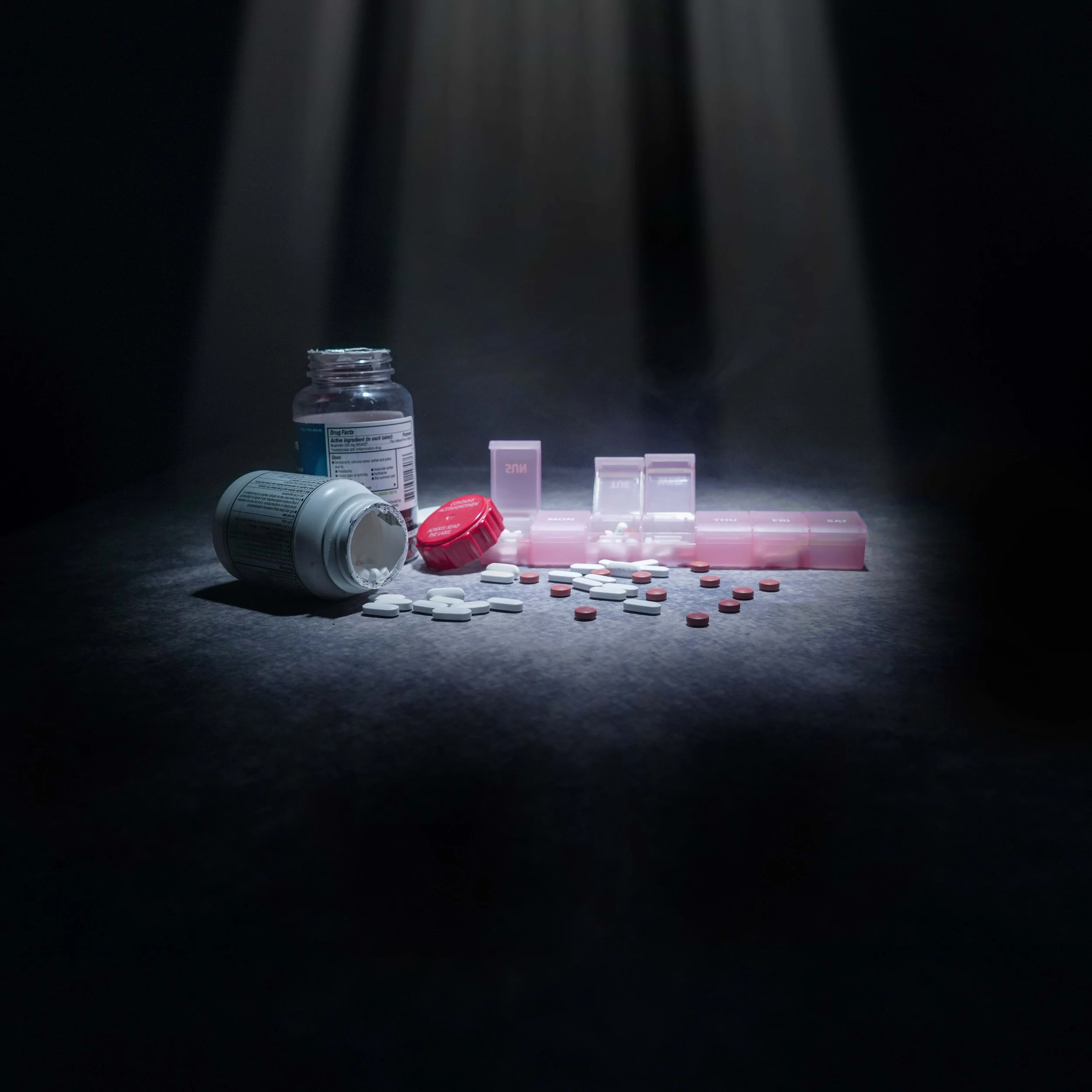
Many human medicines are fatal to cats because they metabolize drugs differently. Some of the most common are pain relievers, antidepressants, cold medicines, and vitamins.

Cats are much more sensitive to stimulants than humans. Even small amounts of caffeinated beverages, like coffee, can cause severe and even fatal symptoms.

Chocolate is dangerous for cats because of theobromine and caffeine, which their bodies cannot break down efficiently. Dark, more potent chocolates are most harmful.
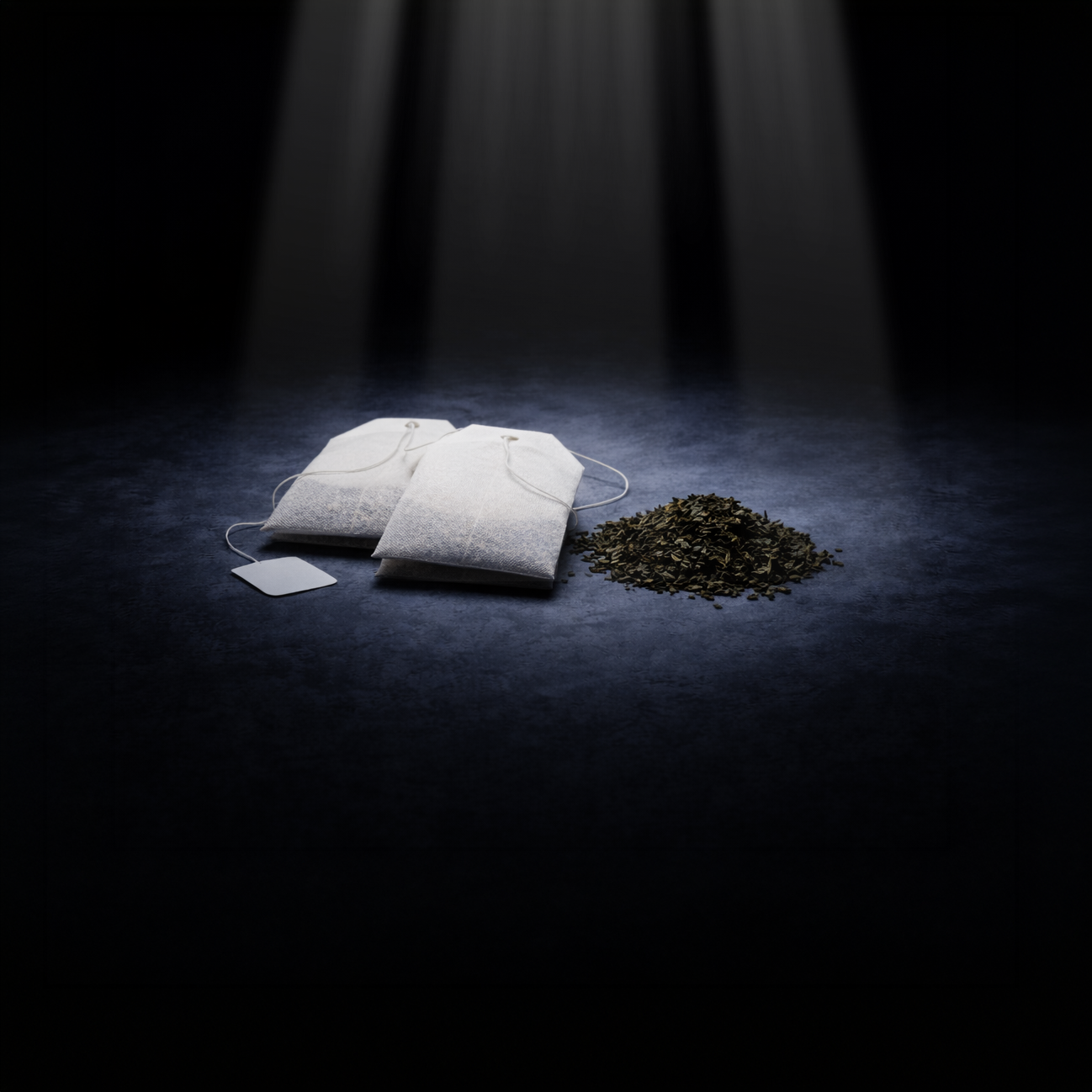
Tea is toxic to cats as they cannot metabolize caffeine properly. Even small amounts of caffeinated beverages, like tea, can cause severe and even fatal symptoms.

As little as one teaspoon of alcohol can poison a cat, leading to coma, seizures, respiratory failure, and death.

Ingesting raw dough or yeast can cause poisoning in large quantities.

Tea Tree, Wintergreen, Citrus, Peppermint, Pine, Eucalyptus, Clove, Cinnamon, and Ylang Ylang essential oils and products containing them can be highly toxic for cats, in some cases cause respiratory illnesses and liver failure.
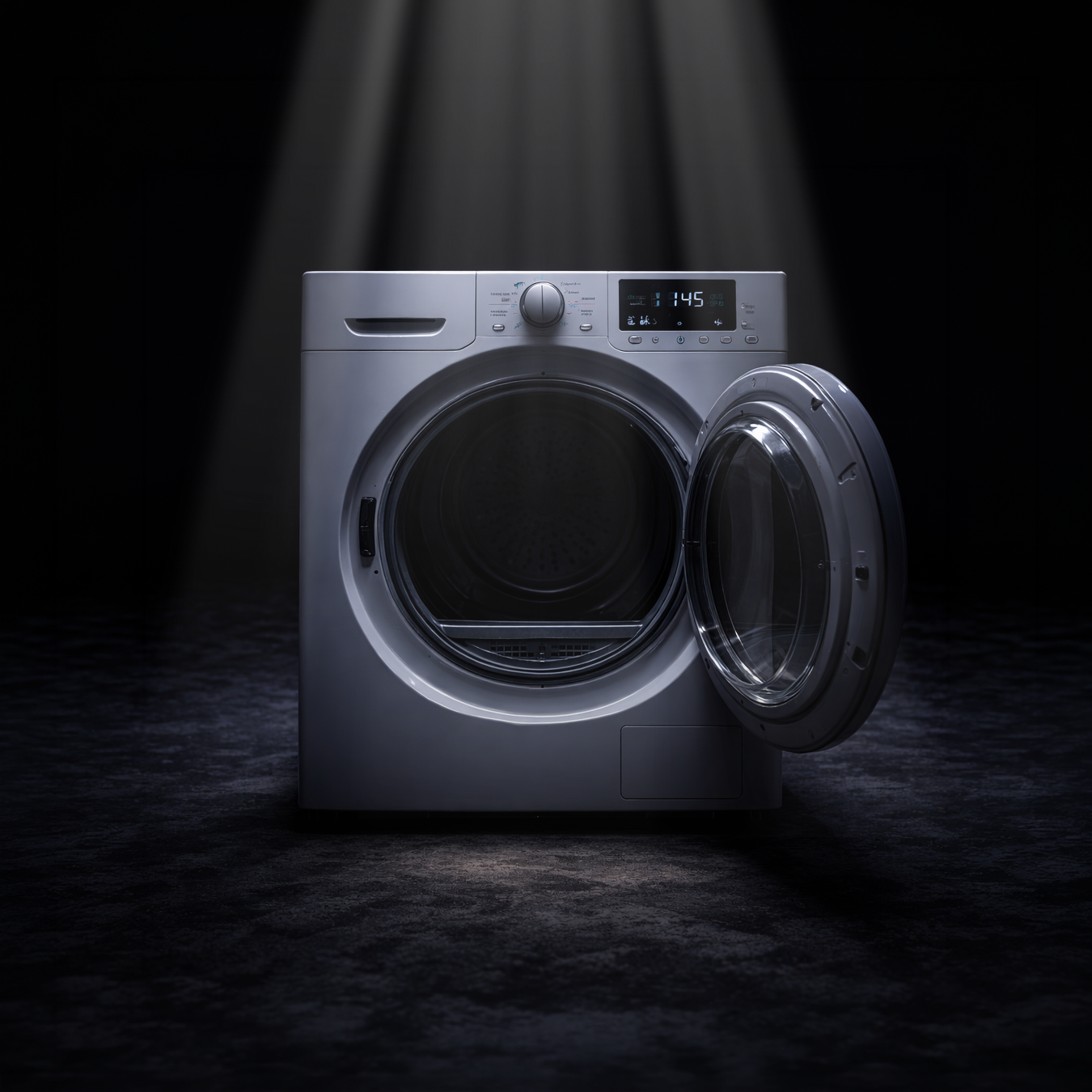
Warm, dark, hiding spaces like washers and dryers should always be left with the door securely closed and checked before powering on to avoid suffocation and other fatal accidents.

Warm, dark, hiding spaces like ovens and toaster ovens should always be left with the door securely closed and checked before powering on to avoid suffocation and other fatal accidents.
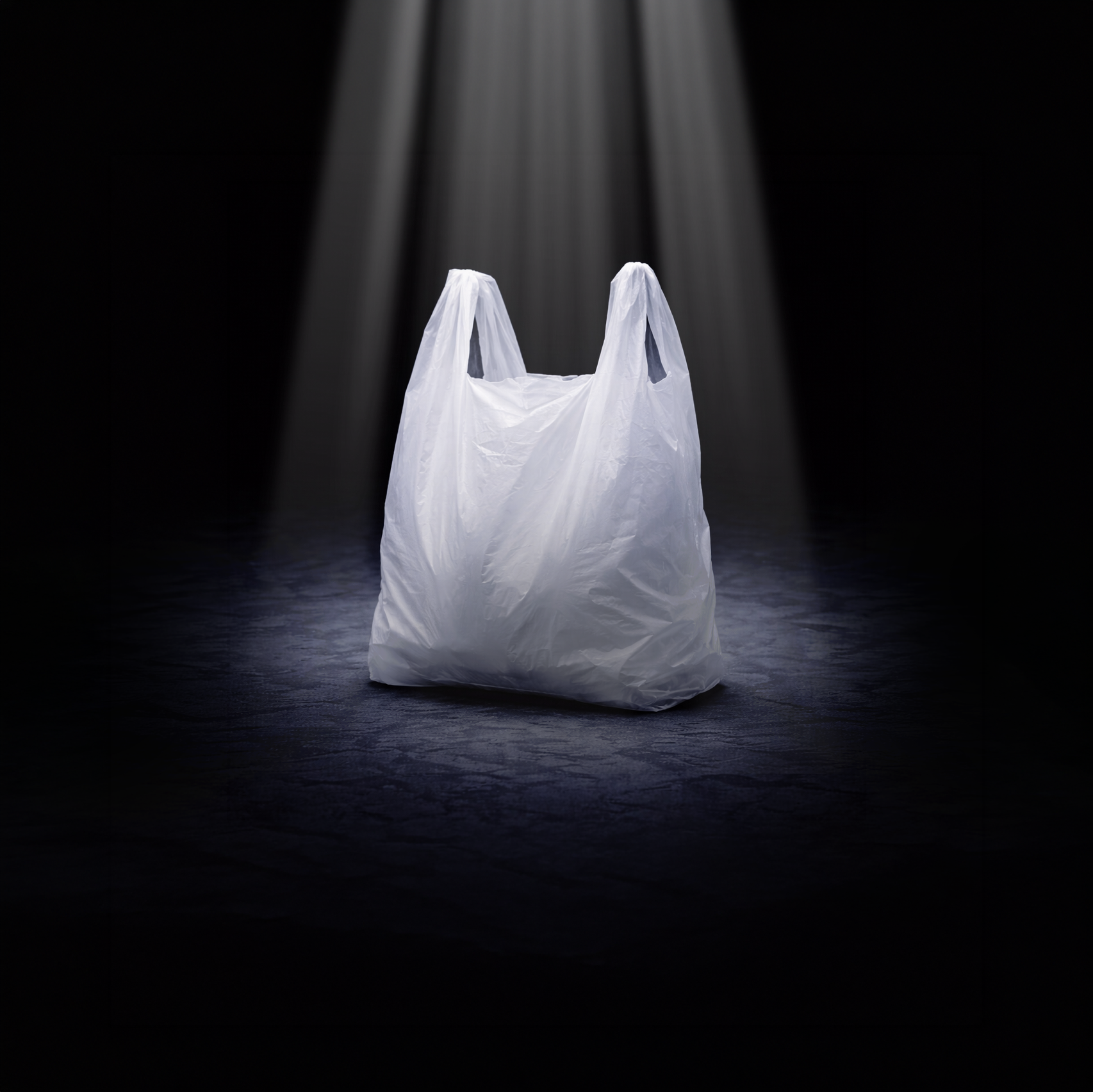
Plastic bags and wrap should be stored securely to avoid strangulation or suffocation in cats.

Dark, hollow spaces inside reclining chairs should always be checked before opening or closing to ensure no harm or fatal accidents for cats who may hide inside.
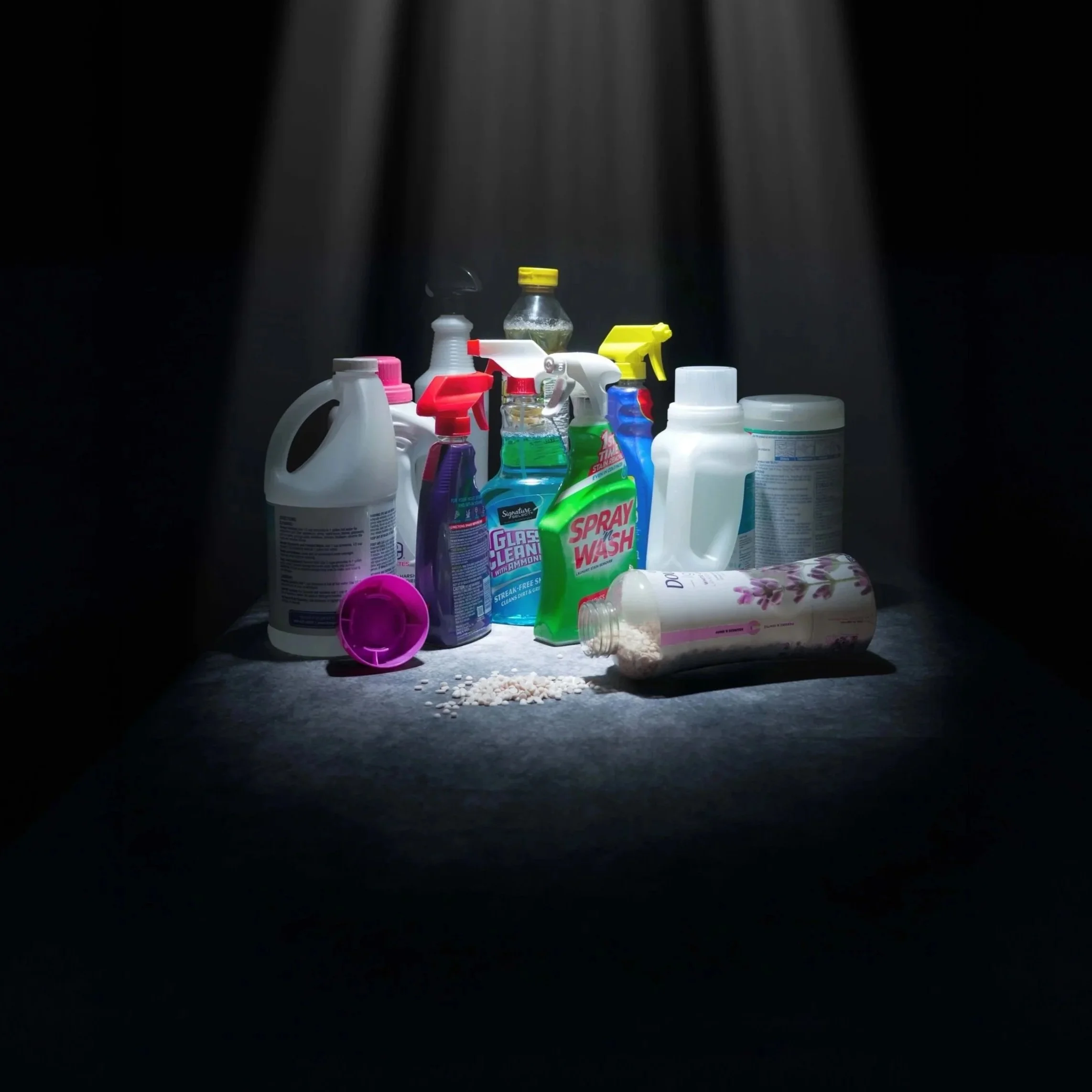
Cleaning products containing bleach and ammonia can lead to serious illness or death in cats who ingest or make external contact with them.